
Why Limited Drops Sell Out Before the Tide Turns

A limited drop is not just a shirt released on a Tuesday. It is a signal flare for people who know what they stand for. That is why limited drops sell out: the right piece gives its wearer more than fabric, color, or a souvenir. It gives them a place in the story before the tide shifts.
For the traveler still carrying salt in their hair, the expat who built a freer life, or the rule-breaker who misses the jungle when they are far from it, a drop can feel personal. It says, I was here. I get it. I belong to this. When that feeling is real, waiting starts to feel like a bad deal.
Why Limited Drops Sell Out: They Make a Moment Matter
People do not chase every product with a low inventory number. They chase pieces that feel connected to a moment they do not want to miss.
A seasonal release creates a clear line in the sand. Before the launch, anticipation builds. After it, the collection belongs to the people who moved when the signal came. There is no endless rack of the same design, no promise that a favorite graphic will hang around forever. That boundary turns browsing into a decision.
Scarcity works because time is one of the few things nobody can restock. When a design is available in a defined run, the buyer is not only choosing whether they like it. They are deciding whether they want to be part of this chapter while it is still open.
There is a trade-off, of course. False urgency feels cheap. A countdown slapped on an ordinary item is not a movement. It is noise. Limited drops earn attention when the limitation is honest, the timing is clear, and the work behind the release is worth remembering.
The Best Drops Sell Identity, Not Inventory
A plain tee is easy to replace. A tee that carries the attitude of a sun-soaked renegade, a jungle mystic, or a sea-born siren is not.
That is the difference between merchandise and a badge. Character-driven designs give people a way to choose their own energy. One person sees Luna and finds their midnight side. Another claims Solana for the heat, the glow, the no-apologies confidence. Someone else recognizes the wild humor of Tito or the untamed pull of La Sirena Brava.
The product becomes a small piece of mythology. It lets a customer say something without giving a speech: I do not live by somebody else’s script. I chose the road with dust on it. I remember the sunset, the surf, the night that changed the plan.
This is especially powerful for a Costa Rica-inspired lifestyle brand because the place already carries emotional weight. People return from the coast and jungle with stories that do not fit neatly into a postcard. They want something better than a generic souvenir. They want a wearable reminder of the version of themselves that felt most alive there.
Collectibility turns one purchase into a ritual
When each release belongs to a larger world, customers naturally look beyond a single item. They start to recognize the icons, wait for the next reveal, and decide which character belongs in their own collection.
Collectibility does not mean everyone must own everything. In fact, it works best when each person can be selective. The quiet moon-chaser may never wear the loudest graphic, and the beach rebel may skip the cosmic piece. That choice makes the collection feel more personal, not less.
A drop becomes a ritual when buyers know there will be another chapter, but they cannot predict exactly which character, mood, or color story will arrive next. They return because the world keeps moving.
Belonging Is the Real Rush
The fear of missing out gets plenty of attention, but it is only half the story. The stronger force is the joy of getting in.
When people share a limited piece on social media, spot it on someone at a beach bar, or recognize an icon across an airport terminal, they are taking part in a quiet exchange. It says, same current. That kind of recognition is powerful because it is voluntary. Nobody was assigned to the tribe. They found it.
For a brand like Rebel Tide Costa Rica, that tribe is built around freedom, rebellion, and a refusal to shrink into the expected version of adulthood. The clothing is the visible layer. Underneath it is a shared appetite for late sunsets, spontaneous turns, ocean air, and a life with fewer permission slips.
Limited releases sharpen that sense of belonging. Not because owning a piece makes anyone better than someone else, but because it marks a shared moment. The people who claimed the drop caught the same wave. They carry the same reference point into whatever comes next.
Story Gives Scarcity a Soul
A limited product without a story can still sell. A limited product with a story can stay with someone long after the package arrives.
The strongest drops have a reason to exist. Maybe the design came from a particular stretch of coast, a rain-heavy season, a local character, or the strange electric hour when jungle sounds take over after dark. Maybe it honors an animal rescue or conservation project working close to the source of that inspiration.
That context changes the purchase. The buyer is not merely responding to limited availability. They are responding to meaning. A portion of the sale supporting Costa Rica-based wildlife and conservation efforts adds another layer: the drop leaves something behind besides a shipping label and a transaction.
Still, story cannot be pasted on at the end. Customers can tell when a character has a point of view and when it is just a name printed beside a graphic. Real lore has details, attitude, tension, and room for the audience to see themselves in it. It feels lived-in, like a place you would return to even if nobody took a photo.
A Drop Must Be Worth the Decision
Urgency may get someone to the checkout page. Quality is what makes them proud they acted fast.
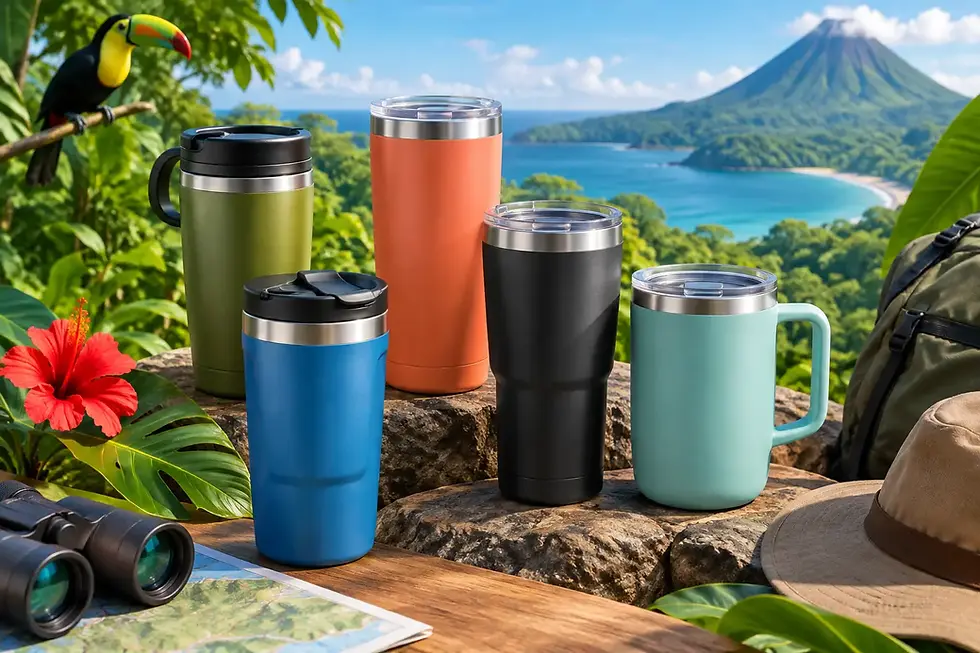
Premium-priced apparel has to deliver on the basics without excuses: a fit people want to wear again, materials that feel good against sun-warmed skin, printing that holds its nerve, and designs that look as strong in real life as they did on a screen. A towel, drinkware, bag, or coaster should carry the same level of intention. If the item feels disposable, the limited label only magnifies the disappointment.
Clarity matters too. Customers should understand what is releasing, when it is available, what sizes or formats are offered, and whether the design is truly unlikely to return. Mystery can build desire, but confusion kills it. Make the reveal cinematic. Make the purchase path simple.
Not every product needs to disappear
A healthy brand does not turn every staple into a panic purchase. Best sellers can remain available because they are the foundation people come back to. Limited drops should be the electric weather rolling in from the horizon: distinct, memorable, and impossible to ignore when they arrive.
That balance protects trust. Shoppers can count on core favorites while still feeling the pulse of something new. They know they are not being manipulated into buying every week. They are being invited to choose the pieces that genuinely feel like theirs.
The Drop Begins Before Launch Day
By the time a collection goes live, the decision is often already forming. A character teaser, a short video, a close-up of a print, or a glimpse of a color against a golden-hour backdrop gives people time to imagine themselves in it.
The key is to reveal feeling before specifications. Start with the heat, the mood, the attitude. Let the audience meet the icon before they see the product grid. Then give the practical details people need to buy with confidence.
Good anticipation is a slow drumbeat, not an endless barrage. Too much teasing can drain the charge from the reveal. Too little leaves people unaware. The sweet spot is enough intrigue to start conversations and enough information to let committed buyers show up ready.
The next time a limited design catches your eye, do not ask only whether you need another shirt. Ask whether it belongs to a story you want to carry. If the answer hits like warm air off the Pacific, trust that instinct. The tide does not wait for perfect timing. Ride it while it is yours.


Comments